

Quick Start: Walleye Jig Color in 60 Seconds
The 60-second version
- One color to own: white. It works in almost any condition and is the most consistent single color across all walleye fishing situations.
- What walleye see best: yellow and orange. These are go-to choices in clear to slightly stained water, especially on overcast days.
- Muddy or stained water: go bright (orange, pink, red) or metallic (gold, silver). Natural colors disappear in off-color water.
- Clear water: match the forage. White for shiners and shad, perch patterns when walleye are on perch, brown for crayfish.
- Sunny days: white and metallic. Cloudy days: orange, pink, red, chartreuse.
- Color matters less than presentation — profile, action, and speed usually do more work. But in tough conditions, the right color tips the scale.
Walleye fishing sparks more color debates than almost any other freshwater species. With walleye’s renowned vision — particularly their ability to see and hunt in near-darkness — anglers have long wondered: what colors do walleye see best, and does it actually affect fishing success? The short answer is yes, but with important context. Here’s what the science says and how to apply it on the water.
Understanding Walleye Vision
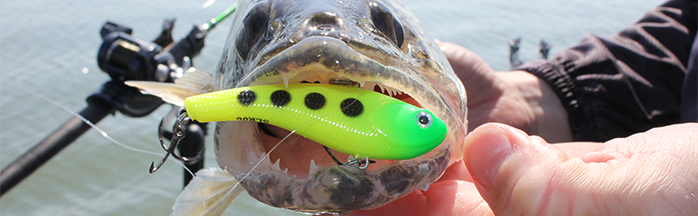
Walleye are famous for their vision — specifically their ability to see in extremely low light conditions. This comes from the tapetum lucidum, a reflective layer behind the retina that amplifies available light, giving their eyes that distinctive glassy, gold-green shine. It’s the same structure that makes cats’ eyes glow in the dark, and it’s why walleye are so effective at hunting in dim conditions that leave other fish functionally blind.
Research into walleye color perception shows they see certain parts of the spectrum significantly better than others. Yellow and orange register most clearly based on cone cell sensitivity, while blue and purple are harder for them to detect. This doesn’t mean you should always tie on yellow — walleye color selection is never that simple — but it does explain why yellow and orange are so consistently effective across a wide range of conditions.
The tapetum lucidum advantage
The same eye structure that makes walleye deadly low-light hunters also means they can detect contrast and color in conditions where most other species can’t. At dawn, dusk, and after dark, high-contrast colors — white, chartreuse, and glow patterns — become proportionally more effective than during full daylight.
Key Factors in Choosing Jig Colors for Walleye

Walleye color science is only useful if you know how to apply it to actual fishing conditions. Three variables drive almost every color decision: water clarity, light conditions, and the local forage base.
Water Clarity
Water clarity is the single most important factor in color selection. The rule is simple: clear water rewards subtlety, dirty water demands visibility.
Clear Water: Match the Hatch
In clear water, walleye get a long look at your bait. Natural colors that closely resemble local forage almost always outperform gaudy or high-contrast options. Key choices:
- White: the go-to clear water color, especially in spring when shiners are spawning. A white VMC Bucktail Jig is a classic clear-water walleye producer.
- Yellowish and perch patterns: when walleye are keying on perch, a firetiger or yellowish-green pattern often outperforms pure yellow. A firetiger-colored Rapala Jigging Rap is one of the best clear-water walleye lures ever made.
- Brown and reddish-brown: underrated clear-water options when crayfish are a significant forage source.
Stained or Muddy Water: Go Bright or Metallic
In off-color water, walleye shift from sight-dominant to relying more heavily on their lateral line and whatever visual contrast they can detect. This is when subtlety works against you.
- Muddy water: hot orange, pink, and red provide maximum contrast. Metallic gold and silver produce flash and light refraction that walleye can pick up even in near-zero visibility.
- Stained (not fully muddy) water: metallic jigs combined with bright solid colors — orange, pink, chartreuse — are the best middle-ground option. They provide both flash and contrast without being as overkill as fluorescent patterns.
Light Conditions
Light conditions determine how visible a given color is at depth. The same jig can look completely different to a walleye on a bluebird day vs. a heavy overcast.
Sunny Days
On sunny days, metallic jigs (silver, gold) and white are excellent because they reflect available light effectively. This reflection creates the illusion of a fleeing baitfish and is often more triggering than pure color matching. White also maintains visibility across the water column better than most colors in direct sunlight.
Cloudy or Overcast Days
Diffused light removes the reflective advantage of metallic jigs and reduces the effective range of subtle natural colors. Bright, high-saturation colors — orange, pink, red, and chartreuse — stand out best in these flat-light conditions. Overcast days are also some of the best times to be on the water for walleye, and having the right color dialed in can be the difference.
Low Light: Dawn, Dusk, and Night
Walleye are well-known low-light feeders. In near-dark conditions, glow colors (chartreuse glow, white glow) and high-contrast white produce best. The walleye’s tapetum lucidum amplifies whatever light exists — high-contrast colors are far more effective than natural patterns when light levels drop.
Forage Base
The most overlooked color factor is what walleye are actually eating in a given body of water. Color selection becomes most precise — and most rewarding — when you understand what the forage base looks like.
- Shiners, shad, or alewives: white, silver, or natural shad patterns
- Perch: firetiger, yellowish-green, or natural perch patterns
- Crayfish: brown, reddish-brown, or rust orange
- Cisco/tullibee: silver, white, natural bluish-silver patterns
Use DNR gill net data
Your state’s DNR fish survey reports — often available for specific lakes — include gill net and electrofishing data that list dominant baitfish species. This tells you exactly what walleye are likely eating on your lake, which is the most reliable color guidance you can get.
Top Jig Colors for Walleye

These are the proven colors that belong in every walleye angler’s box, along with the specific conditions where each shines.
White
White is arguably the most versatile jig color for walleye. It works well in clear, stained, and even muddy water conditions. Whether it’s sunny or cloudy, white consistently produces results across seasons and fisheries. If you could only pick one walleye jig color, white is the answer. It mimics shiners, shad, and alewives — three of the most common walleye forage species — and it remains highly visible across a wide range of water and light conditions.
Yellow and Orange
Given that walleye see yellow and orange most clearly, these are go-to choices for many experienced anglers. They produce best in clear to slightly stained water on overcast days when other colors become dull. In certain fisheries — particularly those with strong perch populations — yellow and yellow-orange combinations are among the most consistent producers all season long.
Metallic (Gold and Silver)
Metallic jigs earn their place in stained or muddy water where reflective flash draws walleye in from farther away than color alone can. Gold tends to work better in warmer-tinted or muddy conditions; silver shines in clearer, cooler water with more ambient light. Both produce a baitfish-like flash that triggers reaction strikes even when walleye aren’t actively searching for food. Shop walleye vertical jigging lures for metallic options designed for the technique.
Bright Colors: Pink, Red, Orange
Bright, high-saturation colors are essential for muddy water and heavy overcast conditions. They stand out against dark or murky backgrounds in a way that natural colors simply can’t. In the murkiest conditions, hot pink and red outperform everything else because they provide maximum contrast at short detection distances. Don’t overlook bright colors in spring either — stained runoff water combined with feeding walleye creates ideal conditions for pink and orange jigs.
Natural Colors: Brown, Green, Perch Patterns
In clear water when walleye are pressured or feeding selectively, natural colors that mimic specific forage consistently outperform attractor colors. A natural perch pattern on a jig is one of the deadliest clear-water walleye presentations in lakes with strong perch populations. Brown and rust patterns shine when crayfish are part of the diet. Browse walleye jigs in natural patterns at FishUSA.
Color matters less than you think — until it doesn’t
The profile, action, and speed of your jig typically do more work than color alone. On active fish, almost any reasonable color will produce. But on tough days with negative-feeding walleye, having the right color dialed in for the conditions can mean the difference between a limit and a skunk. Always carry a range and be willing to rotate through them when fish go quiet.
Walleye Jig Color Quick-Reference Chart
Use this table as a starting point for each trip. When conditions change, adjust accordingly — walleye color selection is never fully static.
| Condition | Best Colors | Why It Works |
|---|---|---|
| Clear water, sunny | White, silver, natural (shad, perch, shiner patterns) | Match the hatch; flash mimics baitfish in bright light |
| Clear water, overcast | Yellow, orange, chartreuse, white | High-visibility colors walleye see best; diffused light rewards contrast |
| Stained water, sunny | Gold, silver, white, orange | Flash cuts through color; white stays visible at depth |
| Stained water, overcast | Orange, pink, chartreuse, hot metallic | High contrast at reduced detection distances |
| Muddy water | Hot pink, red, orange, gold | Maximum visual contrast; only bold colors register in near-zero visibility |
| Low light / night | Glow white, glow chartreuse, white | Residual glow + high contrast amplified by walleye’s tapetum lucidum |
Build a walleye jig color kit
At minimum, carry white, yellow/orange, a metallic (gold or silver), and one bright color (pink or chartreuse). Those four cover the vast majority of walleye conditions. Add natural forage patterns (perch, shad, crayfish) as a fifth category for clear-water, selective feeding situations. Shop walleye jigs at FishUSA →
Read Next
Walleye Jig Colors FAQ
White is the single best all-around jig color for walleye. It performs consistently across water clarity levels, light conditions, and seasons, making it the most reliable choice when you’re unsure what to tie on. That said, yellow and orange are the colors walleye physically see best, so they’re excellent in clear to slightly stained water on overcast days.
Research shows walleye perceive yellow and orange most clearly due to the sensitivity range of their cone cells. Blue and purple are on the other end of the spectrum — harder for walleye to detect. This is why yellow and orange jigs are so consistently productive across a range of fishing conditions.
Yes, but it’s often overrated compared to presentation. The profile, action, and speed of your jig typically have a bigger impact on triggering strikes. That said, in tough conditions — low light, stained water, or pressured fish — having the right color can be the difference between a bite and a miss.
In muddy or heavily stained water, bright colors are essential: hot orange, pink, and red stand out against the murky background. Metallic jigs in gold or silver also work well because they produce flash and vibration that walleye can detect even in low visibility. Avoid natural or subtle colors — walleye simply can’t see them well enough in those conditions.
In clear water, natural colors that match local forage are typically most effective. White mimics shiners and shad. Perch-pattern or yellowish colors work when walleye are keying on perch. Brown and reddish-brown match crayfish. The clearer the water, the more walleye scrutinize your bait — natural presentations almost always outperform gaudy colors in gin-clear conditions.
At night, glow colors (chartreuse glow or white glow) are the top choice because they emit light in zero-light conditions. White and chartreuse also produce well because they offer maximum contrast against dark water. Walleye are highly active after dark, and their sensitive tapetum lucidum amplifies any available light — making high-contrast colors especially effective.
Let water clarity decide. Clear water favors natural colors — white, perch patterns, shad patterns, brown. Stained or muddy water favors bright colors — orange, pink, red, chartreuse — and metallic options like gold or silver. Sunny conditions often favor metallic or white; overcast conditions favor brighter contrast colors.
On overcast days, bright colors like orange, pink, and red tend to stand out more because diffused light reduces the reflective advantage of metallic jigs. Chartreuse is also excellent in low-light overcast conditions. In stained water on a cloudy day, these bright colors are often the most effective choice available.
When walleye are locked onto specific forage, matching it dramatically improves your odds. White mimics shiners, alewives, and shad. Yellowish and firetiger patterns mimic perch. Brown and reddish-brown imitate crayfish. Check your state’s DNR gill net survey data for the local body of water — it lists the dominant baitfish species and helps narrow your color choices.
White. It consistently produces in clear, stained, and even muddy water; on sunny and overcast days; in warm and cold seasons. If you could only fish one walleye jig color for the rest of your life, white is the answer most experienced walleye anglers would give.