

Quick Start
If you read nothing else, read this
- Pause longer than you think: in water below 50°F, start with a 3-second pause minimum. Add a second every time you're getting follows without commits. The bite almost always comes on the pause — end it too soon and the fish has already turned away.
- Use a suspending bait below 52°F: a floating jerkbait rises during the pause, pulling the bait away from a fish that's already positioning to strike. In cold water, the bait needs to hang at depth — floating baits rob you of the pause window.
- Fluorocarbon over mono: monofilament floats and causes suspending baits to rise. Fluorocarbon sinks slightly, keeps the bait at depth, and is nearly invisible — all three matter in cold clear water.
- Jerkbaits are a clear-water tool: below 2 feet of visibility, switch to a jig or spinner harness. The pause presentation only works when fish can track the bait from distance and make a deliberate approach.
The Framework: Temperature Controls the Pause
Jerkbait cadence has two components: the twitch (how you move the bait) and the pause (how long you let it sit). Temperature dictates both, but the pause is the dominant variable — and the one most commonly misused.
36–46°F · Very cold
Slow Everything Down
Cold-water walleyes are metabolically slow — they won't chase, they won't rise, and they won't commit to a bait that disappears before they finish approaching it. Long pauses (3–8 seconds) and minimal twitching are the rule. One gentle twitch followed by a deliberate count is more productive than any sequence of fast snaps.
- Twitch pattern: single soft twitch — pause — single soft twitch
- Pause length: 5–8 sec at 36–42°F; 3–5 sec at 42–46°F
- Bait type: suspending or slow-sinking only — floating baits don't work here
46–54°F · Transitional
Twitch-Twitch-Pause
Fish are more active in this range and will make short chases. A 2-twitch sequence followed by a deliberate pause is the standard cadence — it covers water faster than a single-twitch approach while still giving fish enough pause time to commit. Most of the season's big jerkbait fish come out of this range.
- Twitch pattern: twitch-twitch — pause — twitch-twitch
- Pause length: 2–3 sec at 46–50°F; 1–2 sec at 50–54°F
- Bait type: suspending is still preferred; floating works at the upper end
54–58°F · Active
Snap + Short Pause
Fish are aggressive and will chase. A faster snap-snap-pause cadence covers water efficiently and triggers reaction bites. The pause still matters — don't eliminate it — but the emphasis shifts from a long hang to a sharp, erratic action that triggers instinct bites from active fish.
- Twitch pattern: snap-snap-snap — pause — snap-snap
- Pause length: 0.5–1 second; still pause at boat boatside
- Bait type: suspending or floating both work; larger sizes effective
Post-front adjustment: add 2–3 seconds to any pause
A cold front shifts the cadence back regardless of temperature. If the water is 50°F and you were on a 1.5-second pause, a front pushes the productive pause back to 4–5 seconds. Fish become tentative and slow — they approach but need more time to commit. When the bite shuts down, lengthen the pause before switching baits or locations.
Cadence by Temperature: Quick Reference
Use this as a starting point on the water. Adjust pause length based on fish response — follows without bites always mean lengthen the pause first.
| Water Temp | Pause Length | Twitch Pattern | Bait Type |
|---|---|---|---|
| 36–42°F | 5–8 seconds | Single soft twitch, then pause | Slow-sinking or neutral suspend |
| 42–46°F | 3–5 seconds | Soft twitch-pause; minimal movement | Suspending |
| 46–50°F | 2–3 seconds | Twitch-twitch — pause | Suspending |
| 50–54°F | 1–2 seconds | Twitch-twitch-twitch — pause | Suspending; floating at upper range |
| 54–58°F | 0.5–1 second | Snap-snap-snap — short pause | Suspending or floating |
| Post-front (any temp) | Add 2–3 sec to above | Reduce aggression by one tier | Suspending or slow-sinking |
| Follows, no bites | Add 1–2 sec to current pause | Keep same twitch, extend pause only | No change |
| Short strikes / tail nips | Keep current pause | Same pattern | Drop one size smaller |
The Pause: Why It's the Only Variable That Matters
The twitch moves the bait and gets attention. The pause is where the fish decides to bite. Understanding what happens during the pause — from the fish's perspective — explains why getting it right is worth obsessing over.
Float vs. Suspend vs. Slow-Sink
Bait type determines what the fish sees during the pause — and the pause is when bites happen. Choosing the wrong buoyancy for the temperature is the single most common setup mistake in cold-water jerkbait fishing.
36–46°F · Lethargic fish
Slow-Sinking
The bait slowly drops during the pause — fish that are hugging bottom or holding very low in the water column can intercept it without rising. Ideal in the coldest window when fish are truly lethargic and the bait needs to come to them.
- Examples: weighted suspending baits, heavier Husky Jerks modified with split shot
- Line effect: fluorocarbon increases sink rate; braid leader can slow it
- Key scenario: water 36–46°F, fish showing bottom arcs on sonar, post-frontal conditions
42–56°F · The core window
Suspending
The bait hangs nearly motionless at depth during the pause — this is the cold-water standard. A true suspending bait maintains the same depth plane for the entire pause, keeping the bait in front of the fish regardless of how long the pause runs. This is the most forgiving bait type for cold-water cadence.
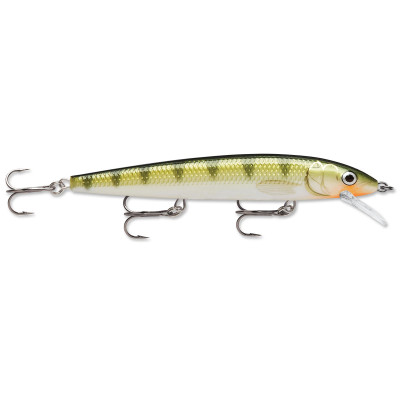
- Examples: Rapala Husky Jerk, Smithwick Rogue, XCalibur Rogue, Lucky Craft Pointer
- Line effect: fluorocarbon keeps it truer; mono causes slow rise on pause
- Key scenario: the go-to for 42–56°F across all conditions
54°F+ · Active fish
Floating
The bait rises toward the surface on the pause — a trigger for aggressive fish that will move upward to intercept. Works well above 54°F when fish are active enough to chase. Also effective in shallow water (4–8 ft) where the bait can't descend much regardless of buoyancy.
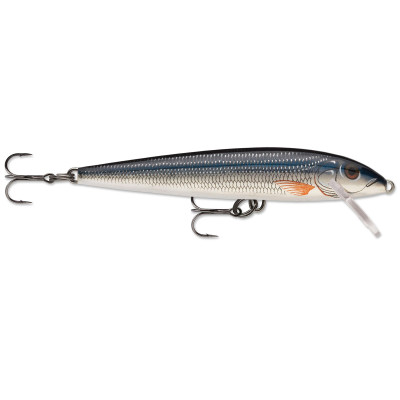
- Examples: Rapala Original Floating, older Husky Jerk floaters, standard minnow baits
- Key scenario: water above 54°F, fish actively feeding and willing to chase upward
- Avoid below 52°F — the rise pulls the bait out of the cold-water fish's strike window
How to tune a suspending bait
Most "suspending" jerkbaits float slightly in cold water because their buoyancy was tuned at warmer temps. To true-up a floating Husky Jerk for cold-water use, add a small split shot to the belly hook or replace belly trebles with slightly heavier hooks. Drop the bait in a bucket of cold water — it should hover motionless or slowly sink. Adjust until the sink rate matches a very slow, nearly imperceptible descent.
Line + Rod: How They Affect the Bait
Line choice changes how a jerkbait suspends and sinks. Rod action affects how the twitch translates to bait movement. Both are setup variables that matter as much as bait selection.
Reading Fish Response
Every cast gives you information. These are the four responses you'll see — and what each one tells you to change.
| What You See | What It Means | Adjustment |
|---|---|---|
| Solid strike on the pause | Cadence is right — fish committed during the pause window | Repeat the exact same cadence |
| Follow + strike at the boat | Fish were interested but cadence was too fast; they chased all the way in | Lengthen pause by 1–2 sec; add a boatside pause on every cast |
| Follow + turn away | Fish tracked the bait but weren't convinced during the pause | Lengthen pause; try a softer twitch so bait moves less between pauses |
| Short strike / tail nip | Fish bit the tail of a bait that was too large for the hook to connect | Drop one size smaller; or add a trailer hook to the rear treble |
| No follows at all | Fish aren't in the location, or clarity is too low for jerkbaits | Move to different structure or depth before changing cadence |
| Follows stop after several bites | Fish in the school are spooked or have seen the bait repeatedly | Rest the spot 20 min; return with a different color or size |
Jerkbait Kit + Line Option
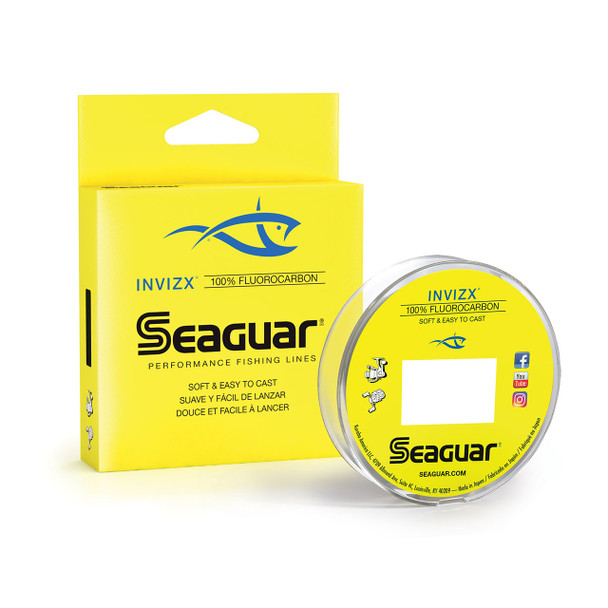
These are the core jerkbait and line options for the cold-water temperature window — a suspending standard, a slow-sink option, and the fluorocarbon line that keeps both performing correctly through the pause.
Cold-Water Jerkbait Kit
Suspending + floating options with the right fluorocarbon to run them

When Jigs Win Over Jerkbaits
Jerkbaits are the right tool in specific conditions. Outside those conditions, jigs are more versatile and often more effective. Know when to put the jerkbait down.
Common Mistakes
These are the setup and cadence errors that cost cold-water jerkbait fish. Most come down to rushing the pause.
Read Next
FAQ
The most productive jerkbait window is 42–58°F. The 46–54°F range is peak territory: fish are pre-spawn or transitional, in clear water near structure, and a suspending bait with a 2–3 second pause produces aggressive strikes. Below 42°F jerkbaits still work but require very slow, deliberate cadences. Above 58°F, jigs and harnesses typically outperform.
Pause length scales with temperature: 5–8 seconds at 36–42°F; 3–5 seconds at 42–46°F; 2–3 seconds at 46–50°F; 1–2 seconds at 50–54°F; 0.5–1 second at 54–58°F. Most anglers pause too short — count out loud to enforce an honest pause. When in doubt, add a second. The bite almost always comes during the pause, and cutting it short is the most common cause of missed opportunities.
A floating jerkbait rises toward the surface during the pause — fish must chase the bait upward to strike, which cold-water fish are reluctant to do. A suspending jerkbait hangs nearly motionless at depth during the pause, keeping the bait in front of the fish for the entire pause window. In water below 52°F, suspending jerkbaits dramatically outperform floating models. Above 54°F with active fish, floating models become viable.
Fluorocarbon is the standard choice — it's nearly invisible, sinks slightly (helping suspending baits stay at depth), and transmits strikes clearly. 8–10 lb fluorocarbon straight-through or as a 24–30 inch leader behind 10 lb braid is the most common setup. Avoid monofilament in cold water — it floats and causes suspending baits to rise on the pause, which costs bites.
4–5 inch jerkbaits cover the widest range. The Rapala Husky Jerk HJ-12 (4.75 in) and HJ-10 (4 in) are the standard size range for most walleye jerkbait fishing. Go smaller (3–3.5 in) in water below 44°F or when fish are finicky. Go larger (5–6 in) once temps push past 52°F and fish are actively feeding. Match size to the primary forage: shiners and shad in most systems.
Watch fish response: a solid strike on the pause means cadence is right. A follow-and-strike at the boat means you're pausing too short — fish had to chase all the way in. A follow-and-turn-away means lengthen the pause further and soften the twitch. Short strikes or tail nips mean drop one size smaller. No follows at all usually means you're in the wrong location, not wrong cadence.
Jerkbaits are primarily a clear-water tool — they need 3+ feet of visibility to work well because the pause presentation depends on fish tracking the bait from a distance. In stained water under 2 feet of visibility, the slow-pause approach loses effectiveness. High-visibility colors (chartreuse, fire tiger) extend the stained-water range somewhat, but jigs or spinner harnesses are more reliable below 2 feet of clarity.
A 6.5–7 ft medium or medium-light rod with a moderate action is the standard. The softer tip protects light wire treble hooks on the hookset and loads better on the twitch — giving the bait a controlled dart rather than a hard snap. Match to line: spinning for 6–8 lb fluorocarbon, casting for 10–12 lb when throwing larger baits.