
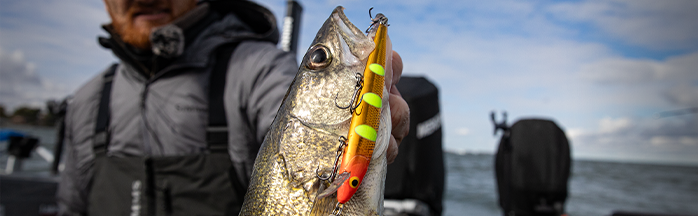
Cold-Water Walleye Jerkbaits
Cadence, Colors, and the Simple Setup
Jerkbaits are the most efficient cold-water search tool for open-water walleye — they cover water fast, trigger fish that won’t chase a jig, and reward anglers who understand the pause. This hub covers the cadence rules that produce bites in 36–55°F water, the color decisions that actually matter, and the exact gear setup to build a reliable spring jerkbait system.
Last updated: April 2026 · By: FishUSA Staff
Start Here (Pick Your Conditions)
Quick decision rules
- If water is cold and clear (typical early spring): start with a natural color and long pauses — 5 to 10 seconds between twitches. Let the bait suspend and do the work.
- If water is stained or there’s wind/chop: use higher-contrast colors (chartreuse belly, white, bold patterns) and shorten pauses slightly. Fish are using lateral line, not just sight.
- If fish are tight to bottom and won’t rise: switch to jigging first. Jerkbaits work best when walleye are willing to rise in the water column. → Jigging Hub
- If fish are scattered or you need to cover water fast: jerkbaits let you probe flats, breaks, and points efficiently before you commit to a spot with a jig.
- If you’ve been throwing the same retrieve for 20+ minutes with no follows: change cadence (longer pause) before you change the color or bait.
When to Throw Jerkbaits for Walleyes
Jerkbaits earn their place in spring from the moment ice-out clears through roughly 55°F. Below 36°F they’re slow; above 55°F cranks and jigging plastics start to outperform them. Inside that window, conditions matter more than exact temperature.
- Best use: cold-water search tool on flats, points, and breaklines when fish are willing to rise. Cover water first, then commit to a spot.
- Best windows: warming trends (3–5 consecutive days of rising temps), afternoon sun on shallow structure, light chop on the surface, and the low-light windows around dawn and dusk.
- Fish that follow but won’t commit: the classic cold-water jerkbait problem. Don’t speed up — pause longer. Extend the hang time to 10+ seconds if needed. A neutral fish needs time.
- When not to force it: heavy current with fish pinned to bottom, or post-frontal bluebird days when fish have gone completely negative. Start with a jig in both cases and return to the jerkbait later in the day.
- Transition signal: when you stop getting follows on long pauses and fish start committing to faster retrieves, water temp has likely crossed 50°F — time to shorten the pause and cover more water.
Spring context: Spring Walleye Hub covers where fish are at each temperature window — combine location awareness with jerkbait technique for faster results. For situations where fish are bottom-locked, the Spring Jigging Setup is the better starting system.
Cadence by Temperature (Simple Rules)
The pause is the trigger — not the twitch. In cold water, walleye track a bait but need time to commit. The colder the water, the longer the pause needs to be before a neutral fish will bite. Run through pause length adjustments before you touch colors or swap baits.
| Water Temp | Starting Cadence | Pause Length | What to Change First |
|---|---|---|---|
| 36–40°F | Twitch-twitch · long pause · twitch-twitch | 7–12+ seconds | Pause even longer if fish follow without committing. Soften twitch intensity — small movements only. |
| 40–45°F | Twitch-twitch · pause · repeat | 4–8 seconds | Standard cold-water starting point. If nothing after 20 min: lengthen the pause, then check spot and depth before changing color. |
| 45–50°F | Twitch-pause-twitch-pause, add an occasional sharp rip | 2–5 seconds | Pick up tempo slightly if fish are active. A sharper rip mixed in can provoke reaction strikes at the warmer edge of this range. |
| 50–55°F | Rip-pause-rip, faster retrieve with shorter hangs | 1–3 seconds | Cover water aggressively. Fish are more active — rotate colors next if no follows after a few casts per spot. |
When to adjust
- Fish follow but won’t bite: pause longer — add 2–3 seconds before your next twitch. Keep extending until the fish commits or turns away.
- No follows at all: move spots before opening the tackle box. If fish aren’t there, no color or cadence will fix it.
- Wind and chop: shorten pauses slightly and increase twitch sharpness — the bait has more natural movement and fish often become more active in these conditions.
- Sunny, flat calm: slow everything down. Fish are spookier, water is clearer, and pauses need to be longer.
Full breakdown with location notes by temp: Cold-water jerkbait cadence by temp
Color Rules (Clear vs. Stained)
Carry a natural and a contrast color — that covers 90% of spring scenarios. Use clarity and light level to decide, not superstition or what worked last year. Change cadence before you change colors; the right retrieve in the wrong color outperforms the right color on the wrong retrieve.
Clear water
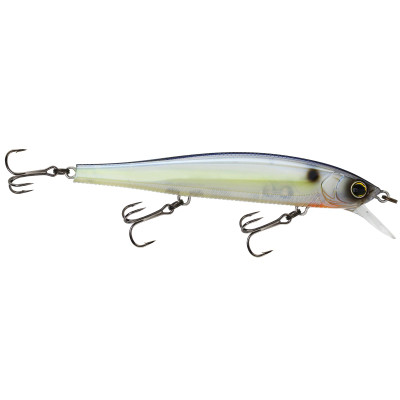
- Natural baitfish profiles: shad, blue-silver, pearl, smoke
- Subtle flash — metallic sides rather than bright paint
- Translucent finishes in high-clarity, low-wind conditions
- Go lighter on color in calm, sunny, flat conditions
Stained water / chop / low light
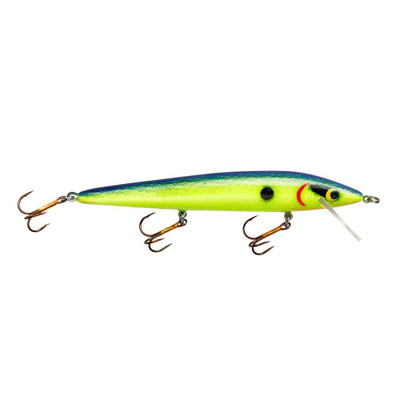
- Higher contrast: chartreuse belly, white, firetiger, orange accents
- Bold silhouette and strong flash before going fully neon
- Clown and perch patterns bridge stained-to-clear transitions well
- Low light (dawn/dusk): add flash; fish use lateral line and contrast together
Full decision framework — clarity, temp, and light level: Spring color rules (clear vs. stained)
Gear That Matters (Line + Snaps + Hooks)
Line for cadence control
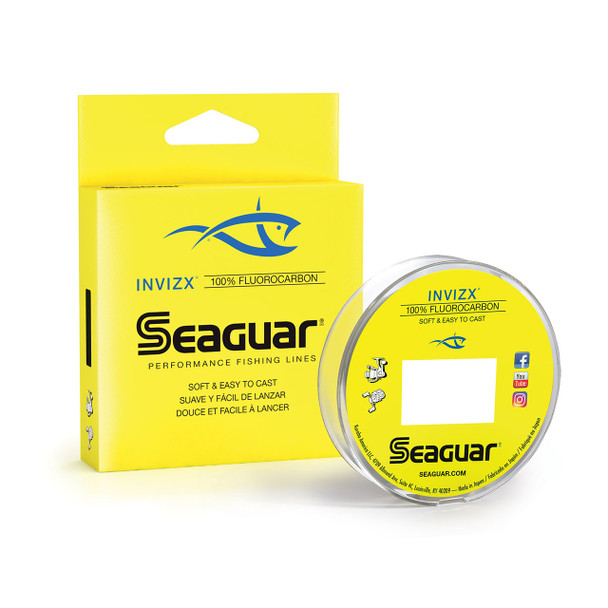
Line choice affects how your jerkbait suspends, how sharp the twitch feels, and how deep the bait runs. Use fluorocarbon when you want the bait to suspend deeper, transmit sharper twitches, and minimize line visibility in clear water. Use monofilament when you want more stretch (softer hooksets on short-hitting fish), a slightly higher float, and a shallower running depth. In cold water, most anglers default to fluorocarbon in 10–12 lb for the combination of feel and neutral suspension. Keep line diameter consistent — heavier line limits depth and dulls the action.
Snaps for quick changes (without killing action)
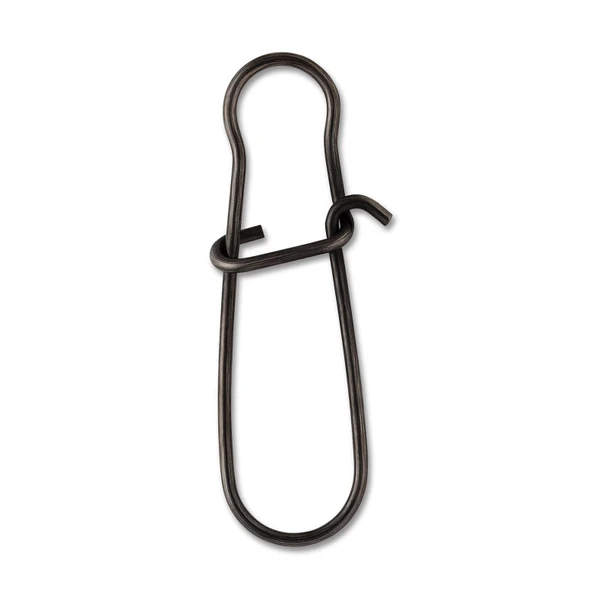
Snaps let you rotate colors and baits in seconds without retying, which matters when you’re working through a cadence-color rotation on an active school. Use the smallest snap that holds your bait securely — a size-0 round snap is the standard starting point. Avoid barrel swivels ahead of the bait; they add weight and pull the nose down. If the bait feels sluggish or action is muted, tie direct with a non-slip mono loop knot and test before blaming the bait. The loop knot preserves natural side-to-side wobble that a tight clinch knot can restrict.
Hooks and split rings
Cold-water bites are often subtle — a fish may barely load the rod before dropping the bait. Sharp hooks are the most undervalued part of the jerkbait system. Check the point before every session: drag it lightly across a thumbnail and it should catch without digging hard. If it slides, replace it. Upgrade to quality trebles if the stock hooks are soft. Check split rings for deformation after landing fish — a bent ring opens under load. Replace both hooks and rings together when either fails.
Step-by-step swap guide: Hook + split ring replacement guide
What to Buy Now (Cold-Water Jerkbait System)
Start with a small, confident selection: 2–3 jerkbaits in natural and contrast finishes, fluorocarbon in 10–12 lb, and a pack of size-0 round snaps. That three-piece system covers the full cold-water window from ice-out through 55°F without overcomplicating decisions. Add hook upgrades once you’ve established which baits you’re throwing most.
Walleye Jerkbait Search Kit (Natural + Contrast)
5 confidence baits covering clear and stained water from 36–55°F
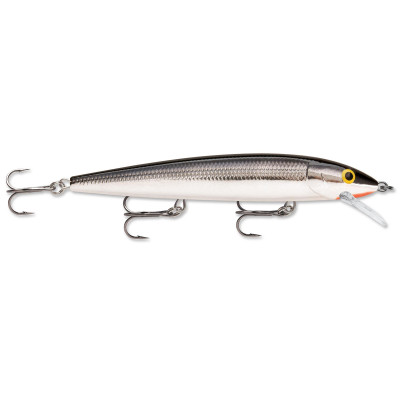
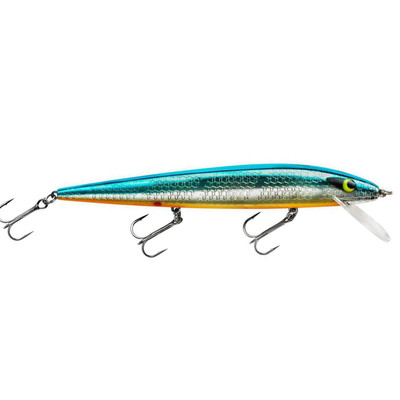
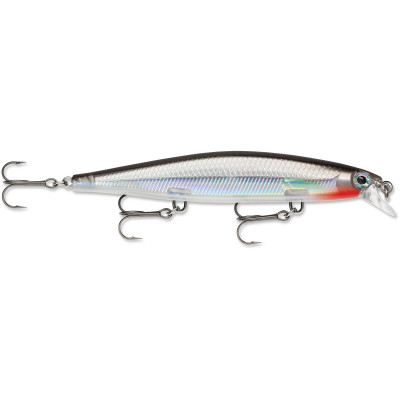
Mono + Fluorocarbon (8–10 lb)
Mono for stretch on short-striking fish · fluoro for depth control and low-vis presentations

Quick-Change Snaps + Barrel Swivels
Rotate baits in seconds · snap preserves bait wobble · swivel eliminates line twist



Want the complete rig? → Complete Cold-Water Jerkbait Setup — every component, depth and cadence notes, and a full cold-water system walkthrough.
Supporting Guides
This hub gives you the framework. Each guide below is the deep-dive on one specific adjustment — bookmark the ones that match where you’re struggling.
- Cold-water jerkbait cadence by temp — pause rules that trigger bites at every temperature band from ice-out to 55°F.
- Spring color rules (clear vs. stained) — the two-color system that covers most spring scenarios without overthinking it.
- Hook + split ring replacement guide — keep action consistent and stop losing fish to dull hooks and deformed rings.
Read Next
Dig deeper on cold-water jerkbait technique, gear, and spring walleye location with these supporting guides.
FAQ
Common questions about cold-water walleye jerkbaiting — cadence, color, gear, and when to throw them.