
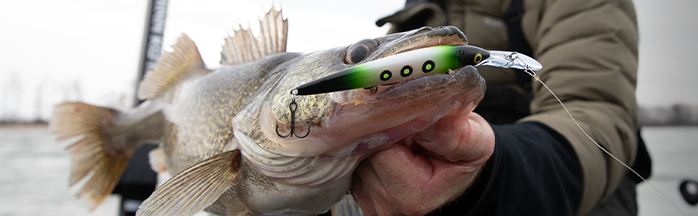
Complete Cold-Water Walleye Jerkbait Setup
Cold-water jerkbait success comes down to a small, focused system: one or two natural-pattern baits, one or two high-contrast baits, line that keeps suspending baits at depth, and quick-change snaps so you can rotate presentations faster than the fish can get comfortable. This page gives you the complete bundle in one place — plus the cadence rules, line logic, and hardware guidance to make every piece work together.
Last updated: May 2026 · By: FishUSA Staff
How This Setup Works
Five steps from box to fish. Each piece connects to a section below.
Pick a kit preset
Start with 1–2 natural-pattern baits and 1–2 high-contrast baits. Natural covers clear water; contrast covers stained water and low light. Two colors beats ten if you know when to use each.
Choose cadence-friendly line
Line choice changes how the bait suspends, how deep it runs, and how the twitch loads. Fluorocarbon keeps suspending baits at depth during the pause — the most critical moment in cold water.
Add quick-change snaps
Small snaps let you rotate baits in under 10 seconds without retying. Faster rotation = more time fishing the right bait for the conditions.
Upgrade hooks if needed
Factory hooks on most jerkbaits are adequate, but sharper replacement trebles convert more short bites. Inspect split rings and hooks after every 4–6 fish or after contact with rock.
Apply cadence-by-temp rules
Colder water = longer pauses. The bite almost always comes during the pause in cold water. Match your cadence to the temperature before you rotate colors or swap baits.
Best conditions for this system
- Water 36–55°F (suspending baits are most effective in this range)
- Clarity 2 ft or better (jerkbaits depend on fish tracking range)
- Fish suspended or holding just off main-lake breaks and points
- Pre-spawn staging and early post-ice-out windows
What’s Included (The Cold-Water System)
Four components. Each fills a specific role. You can skip the hook upgrade add-on until you need it.
Natural Jerkbaits
Shad, smoke, clear, perch, and glass-minnow patterns. Match the forage when fish can see the bait clearly over distance. Use in 3+ feet of visibility, bright sun, or calm conditions.
- Clear water: shad / smoke / glass minnow
- Rocky or weedy bottom: perch / goby / olive
- Bright conditions: subtle metallics outperform loud colors
Contrast Jerkbaits
Chartreuse, fire tiger, orange, and white patterns. Visible at shorter distances in stained water, low light, overcast skies, and post-front conditions when fish won’t commit to a subtle bait.
- Stained water (<2 ft visibility): chartreuse / fire tiger
- Dawn / dusk / overcast: white / orange / glow
- Deep or dark water: anything with a chartreuse or UV element
Cadence Line
Fluorocarbon straight or as a leader. Sinks slightly (holds suspending baits at depth during the pause), nearly invisible, and crisp sensitivity for detecting light cold-water bites. Monofilament option adds cushion on hooksets when fish are nipping short.
- Fluoro straight: 8–10 lb for maximum depth hold and stealth
- Braid + fluoro leader: sensitivity + stealth without sacrificing depth
- Mono: when short strikes and hook pulls are the problem
Snaps + Hook Upgrade
Size 0 or 00 snaps for fast bait rotation without retying. Hook upgrade add-on for when factory hooks get dull, bend, or when short strikes become a pattern. Inspect split rings whenever a bait starts running off to one side.
- Snaps: rotate baits in under 10 seconds
- Hook upgrade: sharper points convert more short bites
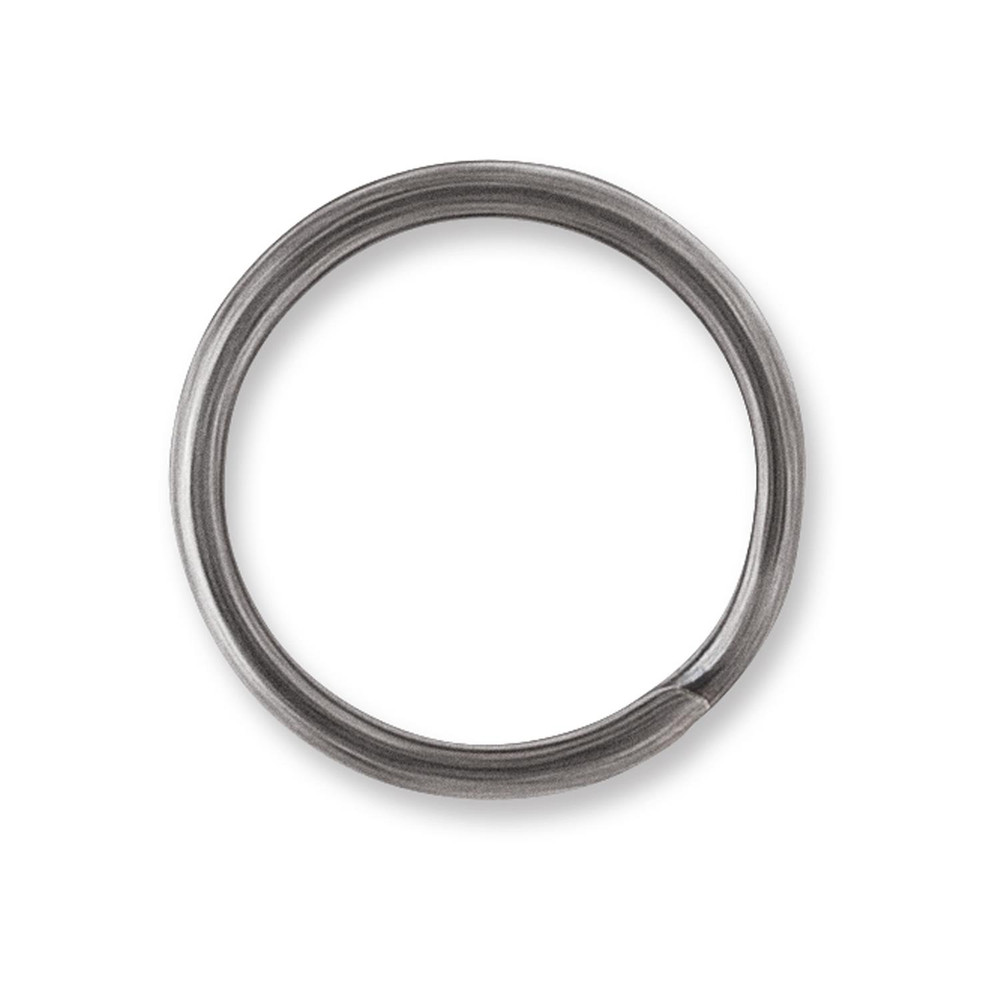
- Split rings: replace when bent or causing hook misalignment
Quick decision rule: start natural. If you’re getting follows but no commits, or if visibility is below 2 feet, switch to contrast. Change cadence (pause length) before you change colors.
Learn the playbook: Cadence by temperature and Spring color rules (clear vs. stained).
Pick a Kit (Presets)
Choose a starting point based on your budget and conditions. Every kit is a complete, fishable system — no missing pieces.
Budget Starter Kit
Best for: New jerkbait anglers or tight budgets — two proven baits, mono line, and snaps. Covers most cold-water days.
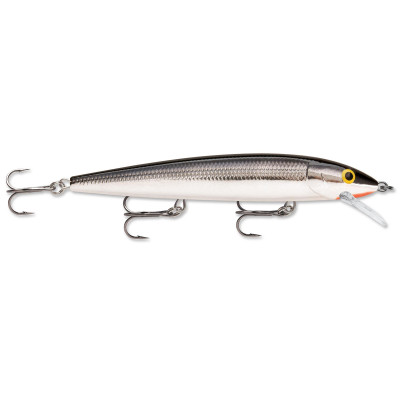
- Rapala Husky Jerk — Silver
- Smithwick Suspending Rattlin’ Rogue — Purple Darter (contrast)
- 8 lb monofilament (Berkley Trilene XL)
- VMC Crankbait Snaps size 0
Core System
Most PopularBest for: Full cold-water coverage — two natural + one contrast bait, mono + fluoro option, snaps, swivels, and treble hook upgrade.
- Rapala Husky Jerk — Silver
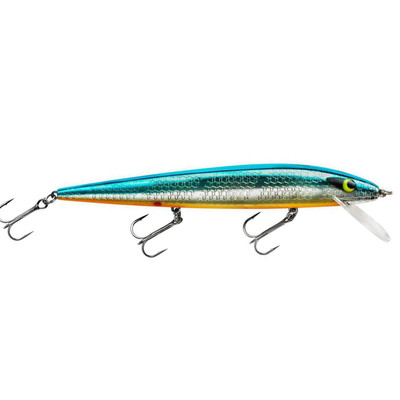
- Smithwick Perfect 10 Rogue — Chrome Blue
- Smithwick Suspending Rattlin’ Rogue — Purple Darter (contrast)
- 8 lb mono (Trilene XL) + 8 lb fluoro (Seaguar InvizX)
- VMC Crankbait Snaps + FishUSA Rolling Barrel Swivels
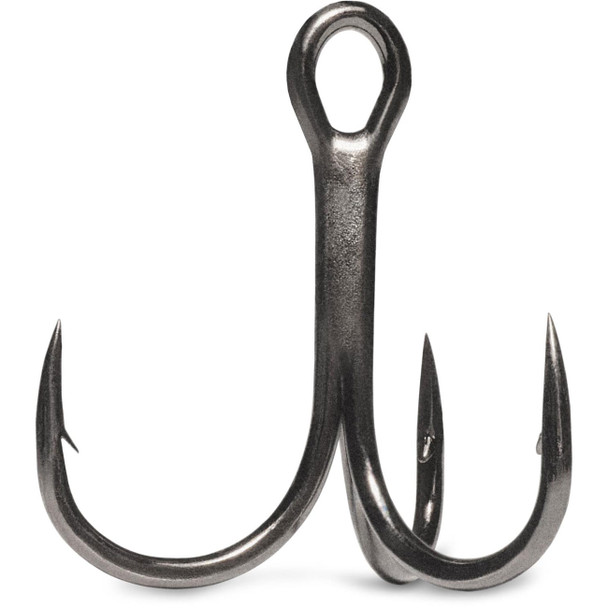
- VMC Hybrid Treble Hook size 6 + VMC Split Rings
Great Lakes / Full Coverage Kit
Best for: Great Lakes, clear deep water, or maximum bait variety and premium hardware from day one.
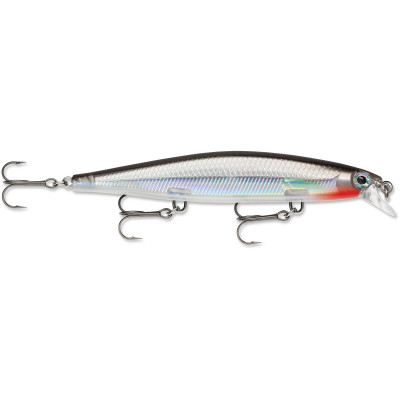
- 4 jerkbaits: Husky Jerk + Perfect 10 Rogue (natural) + Rattlin’ Rogue + Shadow Rap
- Yo-Zuri 3DB Jerkbait 110 for ultra-clear water
- 10 lb Trilene XL + Seaguar AbrazX fluorocarbon
- VMC Duolock Snaps + SPRO Power Swivels
- VMC Hybrid Treble + VMC Round Bend Trebles + VMC Split Rings
Cold-Water Jerkbait System — Bundle Builder
All products shown below. Items in your selected kit are pre-checked — adjust to match your water.
What’s included
- • Jerkbaits matched to your kit tier
- • Line options (mono + fluoro)
- • Snaps and swivels
- • Hook + split ring upgrades
Swap guidance
- • Ultra-clear water? Add the Yo-Zuri 3DB Jerkbait 110
- • Getting short strikes? Check the treble hook upgrade
- • Fish line-shy? Swap to fluorocarbon
- • Uncheck items you already own
Jerkbaits3 Selected
Line2 Selected
Snaps & Swivels2 Selected
Hook + Split Ring Upgrades2 Selected
Parts List (Shoppable)
Everything you need, organized by category. Expand each group to see details and shop links.
Jerkbaits — Natural + Contrast
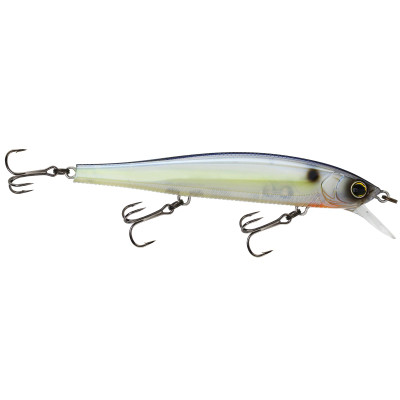
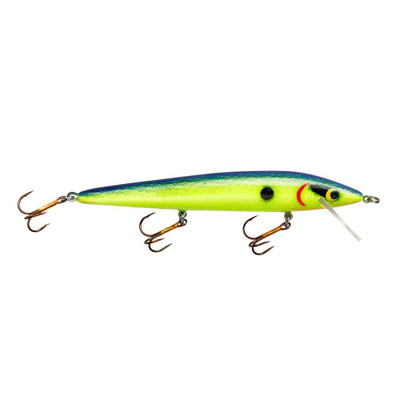
Start with one natural suspending bait and one contrast option. In cold water, the bait needs to hold in the strike zone during the pause — true suspend or a very slow sink is required. Floating baits lose effectiveness below 42°F because fish won’t rise to chase them.
Recommended: Rapala Husky Jerk in Silver + Smithwick Suspending Rattlin’ Rogue in Purple Darter. Add the Shadow Rap or Yo-Zuri 3DB Jerkbait 110 when fish are finicky in ultra-clear water.
Line for Cadence
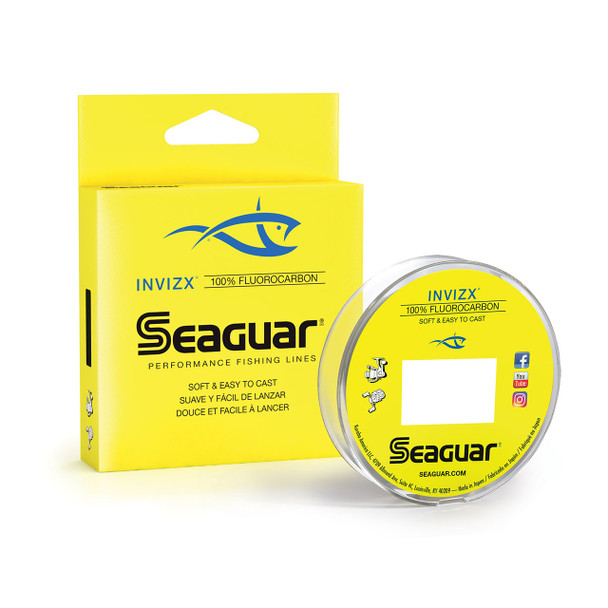
Mono is the traditional jerkbait choice — its natural stretch cushions the hookset and dampens the twitching action so the bait suspends naturally on the pause. Fluorocarbon works in ultra-clear cold water when stealth matters more than cadence control. Both 8–10 lb cover most walleye jerkbait situations.
Recommended: 8–10 lb monofilament as the default. Switch to fluorocarbon when visibility exceeds 6 ft or fish are line-shy.

Snaps & Swivels
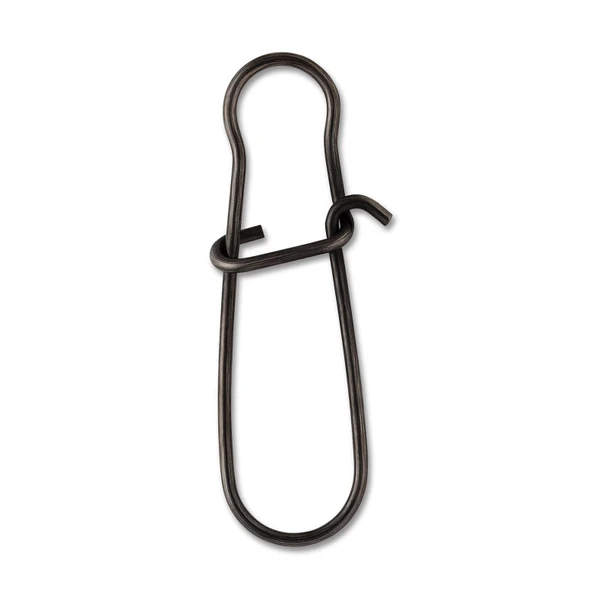
A small round snap (size 0–1) lets the bait pivot freely at the line tie, improving action vs. a direct knot. Barrel swivels reduce line twist on faster retrieves. Use size 0–1 snaps only — heavier hardware loads the nose and throws off neutral float.
Recommended: VMC Crankbait Snap or Duolock, size 0–1. Replace after 3–4 fish or any sign of corrosion.



Hook + Split Ring Upgrade
Stock hooks on most jerkbaits are functional but not sharpened to a fine point. A round-bend treble in size 6–8 converts more soft cold-water bites. Replace split rings at the same time — a bent or weak ring reduces hook gap and leverage on the hookset. Buy 2 hooks per bait (front + rear treble).
Recommended: size 6 round-bend treble for 3.5–4 in jerkbaits; size 4 for larger baits. Replace front and rear hooks together.

Need the when/where context? The Walleye Jerkbait Hub covers staging locations, presentation windows, and water conditions. The Spring Walleye Hub covers the full seasonal progression.
Cadence Cheat Sheet (Cold Water)
Colder water = longer pauses. The bite almost always comes during the pause — cutting it short is the most common reason for missed opportunities. Wind and chop let you shorten pauses slightly; post-front calm requires extending them.
| Water Temp | Starting Cadence | Pause Length | What to Change First |
|---|---|---|---|
| 36–42°F | Single soft twitch, long pause — repeat | 5–8 sec | Extend pause further; try dead-sticking (no twitch, just retrieve) |
| 42–46°F | Twitch–twitch, long pause — repeat | 3–5 sec | Soften twitch force; maintain pause before shortening it |
| 46–50°F | Twitch–twitch–twitch, moderate pause | 2–3 sec | Shorten pause slightly if fish are actively following; lengthen after a front |
| 50–55°F | Moderate twitches with short pauses, cover water | 1–2 sec | Cover more water per cast; rotate natural ↔ contrast if no follows |
Common cadence mistakes
- • Pausing 1–2 seconds in 40°F water — fish need 5+ seconds
- • Switching colors when cadence is the real problem
- • Twitching too hard in cold water — erratic action repels lethargic fish
- • Not dead-sticking at the boat when a fish follows and turns away
Wind and chop adjustment
- • Wind chop oxygenates the water and activates fish — can shorten pause by 1–2 sec
- • Dead-calm post-front: add 2+ seconds to your normal pause at that temperature
- • If fish were active yesterday but not today, lengthen pause before moving spots
Line for Cadence (Why It Matters)
Line choice directly affects how a jerkbait suspends, how deep it runs, and how the twitch loads. In cold water, a bait that rises during the pause closes the bite window before the fish commits.
Fluorocarbon (First Choice)
Fluoro sinks slightly, which helps suspending baits stay at depth during the pause rather than rising toward the surface. Its near-zero visibility in clear water reduces refusals. Crisp, low-stretch feel makes light cold-water bites detectable.
- Straight fluoro: 8–10 lb for the simplest setup with maximum stealth and depth hold
- Braid + fluoro leader: 10 lb braid to 2–3 ft of 8–10 lb fluoro — best sensitivity with leader stealth
- Leader length: 2 ft in stained water; 3+ ft in clear water or high pressure
Monofilament (When to Use It)
Monofilament adds stretch that cushions hooksets on light-wire treble hooks. When fish are short-striking and you’re pulling hooks before they’re set, the stretch in mono gives the fish a fraction more time to commit. It floats slightly, which can cause suspending baits to rise — a disadvantage in very cold water.
- Use 8–10 lb mono when short strikes and hook-pulls are a consistent problem
- Avoid in water below 44°F where suspend depth is critical
Braid Direct to Jerkbait — Avoid
Braid’s near-zero stretch loads the rod too aggressively on each twitch, making the bait dart erratically rather than roll side-to-side. Its buoyancy also counteracts the suspend properties of the bait. Always use a fluoro leader when braid is your mainline.
Snaps for Quick Changes (Without Killing Action)
Snaps let you rotate presentations in under 10 seconds. The key is using the right size — too large and the snap restricts the bait’s nose ring, muting the roll action that triggers cold-water bites.
Snap selection rules
- • Size 0 or 00: the correct range for most walleye jerkbaits (3–5 in). Small enough to move freely through the bait’s split ring without adding leverage that kills side-to-side roll.
- • No barrel swivels at the bait: a swivel adds weight that changes the suspend depth and restricts the rolling action. Use a snap only, or tie direct.
- • If action looks muted: downsize to a 00 snap, or tie direct to confirm the snap isn’t the issue. If action returns, the snap was too large.
- • Check snap closure: a snap that’s been opened and closed repeatedly can fatigue — inspect for deformation and replace after heavy use.
Snap vs. tie direct: snaps cost nothing in action when sized correctly, and the speed of rotation is worth it on a cold-water day when cadence is the variable. Tie direct only when you’ve confirmed the snap is causing issues.
Hook + Split Ring Upgrades (When They Matter)
Factory hooks on most walleye jerkbaits are a reasonable starting point, but they vary in sharpness and wire gauge. Upgrading hooks and checking split rings is the highest-leverage maintenance step for cold-water fishing.
Short strikes or missed hook-ups
The most common trigger for a hook upgrade. Sharper, thinner-wire trebles penetrate on lighter pressure — cold-water fish often commit slowly and require less force to hook. Check the hook point: if it skates off your thumbnail without catching, it’s dull.
After contact with rock or structure
Hard impact against rock dulls hook points immediately. Run a point across your fingernail — a sharp hook bites; a dull one skates. Replace hooks or touch them up with a hook file before continuing.
Bait running off to one side
A bait that tracks to the left or right consistently is usually caused by a bent split ring, a twisted hook orientation (rear hook twisted sideways creates drag), or a damaged bill. Check split rings for deformation first — it’s the most common cause after hard use.
Choosing replacement hook size
Match or go one size smaller than the factory hook — upsizing adds weight that affects suspend depth. Size 4 trebles on smaller baits (3–3.5 in); size 2 on larger baits (4–5 in). When in doubt, match the factory hook size exactly.
Full guide: Hook + split ring replacement guide
Troubleshooting
Work through this in order. Location and cadence fix most problems — resist cycling through ten baits before addressing the fundamentals.
Follows but no commits
- • First: pause longer — a follow that turns away is almost always a cadence issue, not a color issue
- • Try dead-sticking at the end of the retrieve when the fish turns back
- • Switch natural ↔ contrast only after adding 2+ seconds to your pause hasn’t produced a bite
- • Change your angle: cast from a different direction before you swap baits
- • If nothing produces after 20–30 minutes at a specific spot, move before cycling through more colors
Short strikes / missed fish
- • Slow down — cold-water fish often commit at slower speeds
- • Extend the pause: a fish that’s nipping the tail needs more time to fully commit
- • Check hook sharpness — a hook that requires too much force to set will miss cold-water bites
- • Switch to monofilament if you’re consistently pulling hooks — its stretch gives fish a fraction more time
- • Consider the hook upgrade add-on if short strikes are a pattern across multiple sessions
Bait won’t run true
- • Check the snap first — a closed snap that shifted to one side of the line tie will cause side-tracking
- • Inspect split rings for bends or deformation
- • Check rear hook orientation — a twisted hook creates drag that pulls the bait off-course
- • Inspect the bill for damage if the bait hit rock
- • If hardware is all clean and the bait still tracks wrong, the bait itself may be tuned off — some manufacturers offer a tuning adjustment at the line tie
No follows at all
- • You’re almost certainly in the wrong location or depth — jerkbaits don’t produce zero follows in an area with active fish
- • Move along the break or point before changing baits
- • Verify bait depth: if your jerkbait is running 3 ft and fish are at 12 ft, no cadence change will help
- • Check water clarity — if visibility is under 1–2 ft, jerkbaits lose effectiveness; switch to a jigging system
Need a bottom-contact plan? When fish are tight to bottom and won’t rise for a jerkbait, the Spring Jigging Setup is the right system.
Read Next
Guides that extend the jerkbait system.
Cold-Water Jerkbait Setup FAQ
Common questions about the jerkbait system, cadence, and hardware.
How many jerkbaits do I need for a cold-water walleye setup?
Two to four is the practical range: one or two natural-pattern baits (shad, smoke, perch) and one or two high-contrast baits (chartreuse, fire tiger, orange). Natural covers clear-water and bright-day conditions; contrast covers stained water and low light. You don’t need ten colors — you need two that sit on opposite ends of the visibility spectrum.
What’s the best cadence for cold-water walleye jerkbaits?
Pause length is the single most important variable. In very cold water (36–42°F), pause 5–8 seconds after each twitch or pair of twitches. As temperatures climb toward 50°F, shorten pauses to 2–3 seconds. Most missed bites in cold water happen because the angler cuts the pause too short before the fish commits. When in doubt, add one more second.
Mono or fluorocarbon for walleye jerkbaits?
Fluorocarbon is the first choice in cold water. It sinks slightly (helping suspending baits hold depth during the pause), has near-zero visibility, and transmits light bites clearly. 8–10 lb fluorocarbon straight or as a 2–3 ft leader behind braid covers most conditions. Monofilament adds stretch that cushions hooksets on light-wire treble hooks — useful when fish are short-striking and pulling hooks. Avoid braid as the direct-to-bait line; its stiffness kills the side-to-side roll of a suspending jerkbait.
Do snaps affect walleye jerkbait action?
Correctly sized snaps do not meaningfully affect jerkbait action. Use size 0 or 00 snaps — small enough that they don’t restrict the bait’s nose ring. Avoid barrel swivels attached directly to the bait; they add weight that changes the bait’s suspend depth and restrict the rolling action. If the bait’s action looks muted or lifeless, downsize the snap or tie direct to confirm hardware isn’t the issue.
When should I replace hooks and split rings on my jerkbaits?
Replace hooks when: the point skates off your thumbnail without catching (dull), you notice short strikes or missed fish that were properly hooked up, or you can see rust or corrosion. Replace split rings when: they’re bent, deformed, or you’re getting hook orientation issues (a twisted rear hook causes the bait to run off to one side). Inspect hardware after every 4–6 fish or after contact with rocks.
What’s the difference between natural and contrast jerkbait colors?
Natural colors (shad, smoke, glass minnow, perch) match the forage and work best when fish can see the bait clearly over distance — clear water, bright sun, calm conditions. Contrast colors (chartreuse, fire tiger, orange, white) are high-visibility patterns that fish can locate at shorter distances in stained water, low light, overcast skies, and deeper water. In clear-sky conditions, natural often produces and contrast spooks fish; in off-color or dark conditions, contrast gets seen and natural gets ignored.
What size jerkbait works best in cold water for walleye?
4–5 inch suspending jerkbaits are the most versatile in cold water. Go smaller (3–3.5 in) below 42°F when fish are very lethargic or when you’re getting short strikes on tail nips. Size up (5–6 in) once temps push past 50°F and fish are feeding more actively. Match the bait length to the primary forage — shad systems often fish better with slimmer profiles, perch-forage systems with wider-body baits.
Why is my jerkbait floating up during the pause?
A bait that rises during the pause is a floating model, not a suspending model. In cold water below 52°F, floating jerkbaits lose most of their effectiveness because the rise closes the pause window before the fish can commit. Confirm the bait is labeled “suspending” or “SP.” Fluorocarbon line also helps — it sinks slightly and pulls the nose down, keeping suspending baits at depth. Monofilament floats and causes even a suspending bait to rise slightly during the pause.
When should I switch from jerkbaits to jigging for walleye?
Switch to jigging when: fish are tight to the bottom and not willing to rise even a foot, water clarity is below 2 feet (jerkbaits lose effectiveness without tracking distance), fish are concentrated on specific structure that’s better worked vertically, or water temps push above 55–58°F and fish have scattered off breaks onto flats. Jerkbaits outperform jigs on suspended or mid-column fish in clear water; jigs win when fish are bottom-hugging and finicky.
Can I use braid as a mainline for walleye jerkbaits?
Use braid as a mainline only with a 2–3 ft fluorocarbon leader tied directly to the jerkbait. Braid-to-snap-to-jerkbait is a problem — braid’s near-zero stretch loads the rod more aggressively on each twitch, which makes the bait dart unpredictably rather than roll side-to-side. It also telegraphs the hookset directly to light-wire trebles, pulling hooks from fish before they’re fully committed. Braid + fluoro leader gives you sensitivity and depth-finding ability without those downsides.