
Quick Start
If you read nothing else, read this
- Clear water → match the forage: natural shad (white/silver), perch (green/yellow/orange), or goby (brown/olive). Fish can scrutinize the bait — natural patterns minimize refusals.
- Stained water → maximize contrast: chartreuse, white, orange, or chartreuse-orange combos. Fish rely on contrast and vibration over pattern matching when visibility is short.
- Low light modifies both: at dawn, dusk, and under heavy cloud cover, shift toward brighter or contrast patterns — even in clear water.
- Color is the last variable: fix weight, depth, profile, and cadence before changing colors. Most "color problems" are presentation problems.
Clear vs. Stained: The Core Framework
Water clarity sets the color palette. Everything else — temperature, light level, depth — is a modifier. Read clarity first, then layer the other variables on top.
Less than 2 ft visibility
Stained Water
Fish can't see far enough to scrutinize the bait — contrast and brightness are the priority. Colors that create a strong silhouette or flash trigger reaction bites at short range.
- Chartreuse — maximum visibility in off-color water, works at all depths
- White — clean contrast against dark water, pairs well with chartreuse or orange
- Orange / fire tiger — high contrast; most effective once temps hit 48°F+
- Chartreuse-orange combo — the most versatile stained-water choice across temp ranges
3 ft or more visibility
Clear Water
Fish can inspect the bait before committing — natural, forage-matching patterns produce more convincing presentations. Loud colors can cause refusals in bright, clear conditions.
- Shad / ghost shad — white, silver, gray, or translucent; matches dominant spring forage
- Perch — green/yellow/orange; best when fish are keyed on perch over rock or sand
- Goby / natural bottom — brown, olive, tan; best over rock bottom in clear systems
- Smoky / translucent — flake or glitter options that catch light without being loud
2–3 ft visibility
Transitional Clarity
The gray zone between clear and stained. Start with a natural that has a contrast element — it bridges both conditions without committing fully to either palette.
- Perch with chartreuse belly — natural pattern with a visibility element
- Shad with orange tail — natural body, high-contrast trigger point near the hook
- White with chartreuse — two-tone that reads as both natural and high-visibility
Color by Water Temperature
Temperature doesn't flip the palette, but it adjusts the range. Cold water calls for subdued, slower presentations — which pairs with less aggressive colors. As temps rise, bolder patterns hold up better.
| Water Temp | Clear Water | Stained Water |
|---|---|---|
| 36–44°F | Natural shad, pearl, pale smoke/silver | White, white + chartreuse, pale chartreuse |
| 44–50°F | Shad, perch, goby — standard naturals | Chartreuse, chartreuse-orange, white |
| 50–55°F | Perch, shad, natural craw | Chartreuse, fire tiger, orange-white |
| 55–60°F+ | Full perch, goby, natural craw | Fire tiger, orange, full contrast combos |
| Dawn / Dusk (any temp) | Chartreuse, white, glow | Chartreuse, orange, glow patterns |
Cold water: go pale before going bright
In water below 44°F, very cold walleyes often prefer subdued over loud — particularly in clear conditions. A pale shad or pearl pattern on a slow dead-stick frequently outperforms fire tiger when fish are lethargic and have time to inspect the bait. Save bright contrasts for stained water or once temps push past 46°F.
Light Level Modifier
Light level works as an overlay on top of your clarity call. Low light reduces the penalty for high-contrast colors in clear water and amplifies the advantage of bright patterns in stained water.
Bright Sun · Midday
Natural / Subdued
Overcast · Wind-Blown
Natural + Contrast Element
Dawn · Dusk · Night
Bright Contrast / Glow
Color Picks: Plastics + Hard Baits
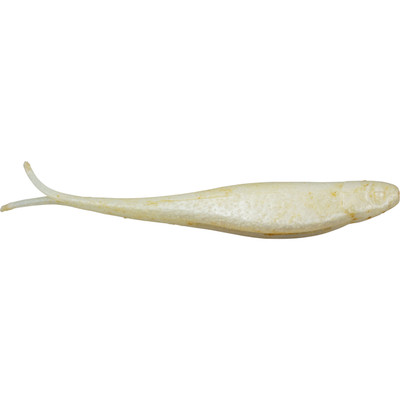
These are the core color options for the spring walleye rotation — natural and contrast profiles across plastics and jig heads to cover both clear and stained conditions.
Spring Color Rotation
Natural + contrast options across plastics and jig heads



Jig Head Color
Most anglers pick plastics first and jig heads as an afterthought. Head color matters — it's the part of the bait nearest the hook and often creates the visual strike trigger that fish key on.
Two-tone rule for jig heads
The most versatile spring setup: natural or shad-colored body + red or orange jig head. The natural body matches forage in clear water; the colored head creates the strike trigger. This bridges clear and moderately stained conditions without committing to a full high-contrast plastic.
When to Switch Colors
The most common color mistake is switching too early. Follow this sequence before reaching for a different color — most color switches that "work" are actually fixing a presentation problem, not a color problem.
Common Mistakes
Most color-related problems aren't really about color. These are the mistakes that look like color failures but aren't.
Read Next
FAQ
Start with clarity: in clear water, use natural shad (white/silver/gray), perch (green/yellow/orange), or goby (brown/olive/tan) patterns that match the forage. In stained water, switch to high-contrast colors — chartreuse, white, orange, or chartreuse-orange combos. Within each group, fine-tune with light level and water temperature.
Chartreuse is most effective in three situations: stained or off-color water (less than 2 feet of visibility), low-light conditions at dawn and dusk in any clarity, and deeper water where color spectrum shifts even in otherwise clear lakes. In clear water during bright daylight, chartreuse can produce refusals when fish can scrutinize the bait closely.
Color matters more in clear water, where fish can see the bait long enough to reject it. In stained water, the fish often commits before it can scrutinize the bait closely — contrast and visibility become the priority over matching an exact pattern. That said, profile, size, and presentation depth are more important than color in both conditions.
In cold water (below 44°F), subdued naturals work well in clear conditions — white, light shad, or pale perch patterns. In stained cold water, white with a chartreuse tail or a straight white produces better than full fire tiger. Natural pearl or smoke with silver flake often outperforms loud colors in clear cold water when fish are lethargic and can inspect the bait.
Color is the last variable to change — check weight (are you getting bottom contact?), depth (are you where the fish are?), profile (right action for conditions?), and cadence (slow enough for cold water?) before switching colors. If all four are dialed in and you've worked a location for 30–45 minutes without a bite, then try the opposite end of the spectrum — natural to contrast or vice versa.
Dawn and dusk are high-activity periods for walleye. Chartreuse, white, and glow patterns work well because they remain visible at low light levels. Orange and fire tiger can also be effective. Even in clear-water lakes, low light removes the need to match forage exactly — move up in contrast during the first and last hour of light.
Yes, mostly as a strike trigger. In clear water, matching the jig head color to the body creates a seamless, natural look. In stained water or low light, a contrasting head color — red, orange, or chartreuse — creates a focal point that helps fish zero in on the hook. Red head + white body is a classic stained-water combination that works across seasons.
Natural colors can still produce in stained water, but their effectiveness drops as visibility decreases. Below 2 feet of visibility, fish rely more on vibration and contrast than exact pattern matching. If you're committed to a natural approach in stained water, choose a natural pattern with a high-contrast element — a perch with a bright chartreuse belly, or a shad pattern with an orange tail.