
Quick Start
The 60-second version
- 36–44°F: Fish are slow. Go lighter than you think (1/16–1/8 oz), use minnow profiles, and cut your speed in half.
- 44–52°F: Spawn window. Fish are moving. Slow vertical jigging on or near gravel/rock. 1/8–1/4 oz.
- 52–60°F: Post-spawn. Best feeding of the year. Paddletails, jerkbaits, and active presentations all work. 1/4–3/8 oz.
Temperature Trigger Chart
Each 5-degree band represents a distinct phase in walleye spring behavior. Fish location, depth, feeding aggression, and the ideal presentation all shift as the water warms. Use this chart as your on-the-water reference — take a surface temp reading before you rig up.
| Temp | Phase | Fish Behavior | Location / Depth | Top Tactic | Speed |
|---|---|---|---|---|---|
| 36–40°F Ice-Out / Cold |
Pre-spawn staging | Lethargic. Tight, condensed schools. Metabolism slow — minimal energy spent chasing. | Deep basin edges, channel bends, transitions to gravel. 15–25 ft. | Dead-stick, slow drag on bottom. 1/16–1/8 oz. | Slowest |
| 40–44°F Pre-Spawn |
Staging / migration start | Beginning to move toward spawning areas. Still grouped. Will bite but rarely chases. | Rocky points, gravel-to-mud transitions, tributary mouths. 10–20 ft. | Slow vertical jig, short hops. 1/8 oz. Minnow & ringworm profiles. | Very Slow |
| 44–48°F Spawn Start |
Spawn begins (males) | Males moving onto gravel. Females staging nearby in deeper water. Feeding increases. | Shallow gravel reefs, rocky shorelines, current seams. 3–12 ft (males). 12–20 ft (females). | Vertical jig on gravel edges. Slow paddletail on deeper staging fish. 1/8–1/4 oz. | Slow |
| 48–52°F Peak Spawn |
Peak spawn / female arrival | Most active spawn period. Females on gravel briefly, then move off. Fish scattered pre/post. | Gravel/rock structure, transitions to adjacent deep water. 4–18 ft depending on lake. | Fish the transitions — not directly on gravel. Jerkbait window opens. 1/8–1/4 oz. | Slow–Moderate |
| 52–60°F Post-Spawn |
Post-spawn recovery / feed | Females recovering and feeding aggressively. Males often feeding before females recover. Best bite of spring. | Transition zones, rock piles, sandy humps adjacent to deep water. 8–25 ft. | Full presentation range. Paddletail for searching, jerkbait for suspending fish. 1/4–3/8 oz. | Active |
Surface vs. Bottom Temperature
In spring, surface temps can run 4–8°F warmer than bottom temps in the same spot. Walleye on shallow gravel are experiencing the surface temp. Fish staging in 15+ ft of water are in colder water than your surface reading suggests — slow down accordingly.
Jig Weight Rules by Temperature
Temperature tells you how slow walleye are willing to move. Weight controls how fast your bait falls and how much you're dragging bottom. Match them wrong and you'll miss bites that don't look like bites.
36–42°F
1/16 – 1/8 oz
Dead-slow fall. Fish won't leave their zone. Keep the jig right in front of them — a slow drag or barely-twitched dead-stick in the zone is more effective than any retrieve.
42–46°F
1/8 oz
Short hops, long pauses. Fish are mobile but deliberate. 1/8 oz gives you a slow enough fall to let them commit without drifting out of the strike zone between hops.
46–50°F
1/8 – 1/4 oz
Match to depth and wind. On calm days in 6–10 ft: stay at 1/8. In deeper water (12–18 ft) or with a strong drift: bump to 1/4. Spawning fish aren't chasing — put it in their face.
50–55°F
1/4 oz
Standard spring weight. Fish are moving more. 1/4 oz covers water efficiently and keeps bottom contact in typical 8–15 ft depths. Go 1/8 if bites go cold; go 3/8 if wind/current requires it.
55–60°F
1/4 – 3/8 oz
Post-spawn aggression. Fish will cover distance for a bait. 1/4 oz works everywhere. Step up to 3/8 in deeper water, heavy current, or when casting and dragging rock piles.
The Lightest Effective Weight Rule
Always use the lightest jig that still maintains bottom contact on a semi-taut line. If you can't feel the jig tick bottom consistently, go up a size. If you're dragging through mud or blasting over structure, go down. Light heads = slower fall = more time in the strike zone.
Spring Walleye Jig Heads
1/8–1/2 oz options for every temp window, depth, and current


Plastic Profiles by Temperature
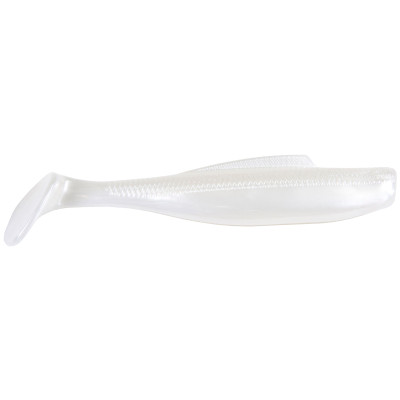
Different profiles produce different amounts of action and vibration. Cold water calls for minimal movement — finesse profiles that don't demand an aggressive retrieve. As temps rise, you can work more action into your presentation.
Cold (36–44°F) — Minnow & Ringworm First
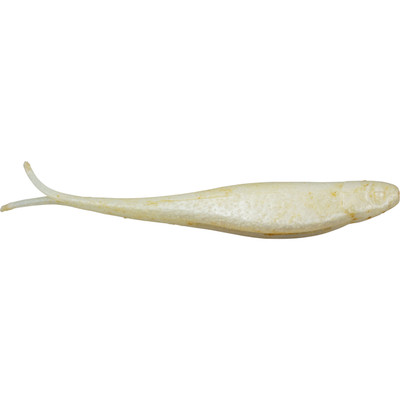
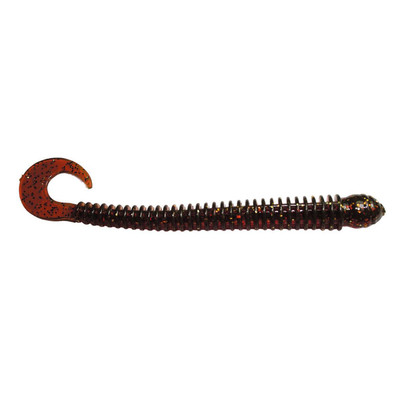
At these temps, minnow profiles (straight body, subtle tail) and ringworms are your best options. Both produce action on the fall with zero rod movement — critical when fish won't commit to anything that looks like work. Ringworms are especially effective in slow current seams where the curl tail pulses naturally.
- Minnow: Best when fish are inactive and scrutinizing the bait. Natural (shad, white, smelt) in clear water. 3 in profile.
- Ringworm / Ringie: Works even in a dead-drift. Motor oil, chartreuse, and natural greens in cold water.
- Paddletail (slow roll): Can work at 40°F+ on a dead-slow retrieve. Don't hop — drag and barely twitch.
Transition (44–52°F) — Add Paddletails
Once water crosses 44°F, paddletails become consistently productive. The thump-and-fall cycle triggers reaction strikes from fish that are starting to move. Start your search with a paddletail, then switch to a minnow if fish are following but not committing.
- Paddletail (3.5–4 in): Shad or natural white as the default. Chartreuse in stained water or low light.
- Minnow: When fish are cold-fronted or holding very tight to structure. Drop down to 3 in.
- Scent: Starts paying dividends here. Fish hold the bait longer in cold water — scent extends the window.
Active (52–60°F) — Full Range
Post-spawn fish will eat almost anything presented correctly. Lead with paddletails for searching, have a jerkbait rigged for suspended fish, and keep a ringworm on for finicky post-spawn females that seem to follow but won't commit. Profile-match to how aggressively fish are responding — if bites go cold, downsize.
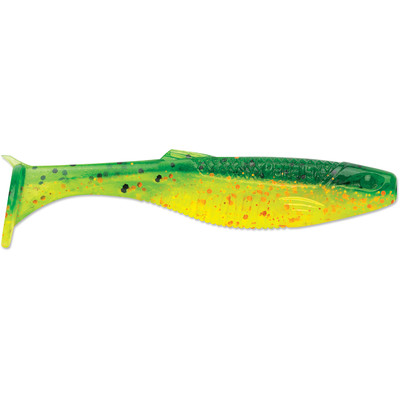
Spring Walleye Soft Plastics
Paddletails, minnow profiles, and ringworms — one for each temp and mood

Jerkbait Window
Jerkbaits are cold-water tools that most anglers under-use. They excel during the spawn transition — when fish are suspending off bottom — and produce some of the most explosive spring walleye bites.
Best Temp Window
46–60°F
Starts producing at 46°F when fish begin suspending. Best from 48–58°F. Still works at 60°F but walleye typically move deeper and jigs become more efficient again.
Conditions
Clear Water + Suspended Fish
Jerkbaits shine in 3+ ft visibility when fish are suspending 2–5 ft off bottom or over structure. Less effective in turbid water — switch to a paddletail with vibration.
Presentation Notes
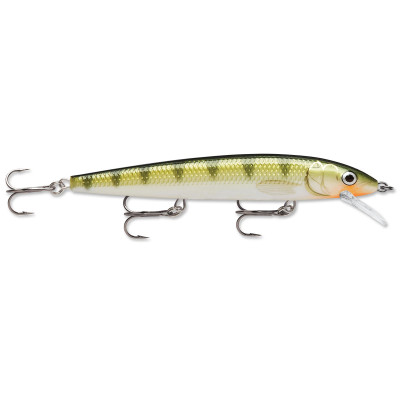
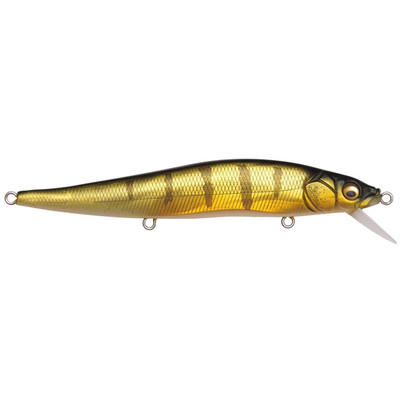
- Suspend-style jerkbaits: Rapala Husky Jerk, Smithwick Rattlin' Rogue, X-Rap — all designed to suspend and drift in place. Critical for cold water where walleye won't chase.
- Retrieve: Twitch-twitch-pause. Pause for 3–8 seconds in cold water. The bite happens on the pause — when the bait suspends motionless in front of the fish.
- Depth control: Match jerkbait running depth to fish depth. If fish are at 8 ft, you want a bait that runs 6–8 ft on a long cast and slow retrieve.
- Color: Natural (perch, shad, golden) in clear water. Chrome or firetiger in stained water or low light.
- Line: Fluoro or mono for jerkbaits — not braid. Stretch keeps the bait working properly and reduces pulled hooks on strong hook-sets.
When to Reach for the Jerkbait
Switch from a jig to a jerkbait when: (1) you're marking fish suspended in the water column on your sonar, (2) it's clear water and fish are following jigs but not biting, or (3) water temps are 48–54°F and fish just came off the spawn. The jerkbait's slow, suspending action matches post-spawn behavior better than anything.
Suspending Jerkbaits
Slow-suspend hardbaits for the 46–58°F window — twitch, pause, and let them commit

Line & Leader by Temperature
Cold water makes walleye more line-shy. In spring, your line choice matters more than at any other time of year — especially leader material and diameter.
Mainline
- Braided mainline (6–15 lb): Best sensitivity for detecting subtle cold-water bites. Use 8 lb PE in clear water — go heavier (10–15 lb) near rocks or in heavy current. Braid doesn't stretch, which is critical for feeling light taps.
- Fluorocarbon mainline (6–10 lb): Good option in very clear water when stealth matters. Sinks faster than mono, which helps maintain bottom contact on lighter jigs.
- Monofilament: Typically avoid for jigging in spring — stretch reduces sensitivity, which is the last thing you need when fish are barely moving the bait. Use mono for jerkbaits only.
Leader Material & Length by Temp
36–44°F (cold, clear)
Fluoro 8–10 lb · 4–6 ft leader
44–52°F (transition)
Fluoro 10 lb · 3–4 ft leader
52–60°F (active / stained)
Fluoro 10–12 lb · 2–3 ft leader
- Why longer leaders in cold water: Walleye inspect baits closely at low temps. A longer leader lets the jig hang and fall more naturally, away from the visible braid. Critical in water under 44°F.
- Fluorocarbon only for leaders: Fluoro is nearly invisible underwater and abrasion-resistant. Don't substitute mono — the difference in bite rate in cold, clear water is measurable.
- Connection: Improved clinch knot or Palomar for the jig. FG knot or double uni for braid-to-leader. A small snap (size 10–12) is acceptable and makes color/weight changes faster — but go fluorocarbon leader regardless.
When to Skip the Leader
If you're fishing in stained water (under 2 ft visibility) or heavy current with aggressive fish, you can tie direct to 8–10 lb fluorocarbon mainline. But in clear spring water with line-shy fish, a dedicated fluoro leader is one of the most effective adjustments you can make.
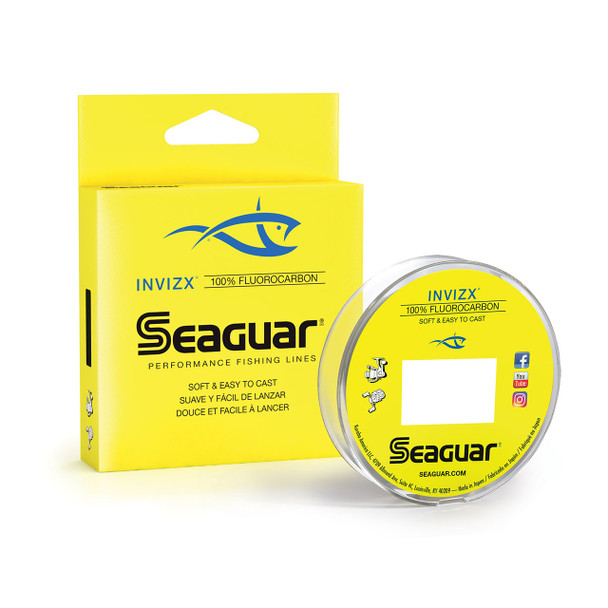
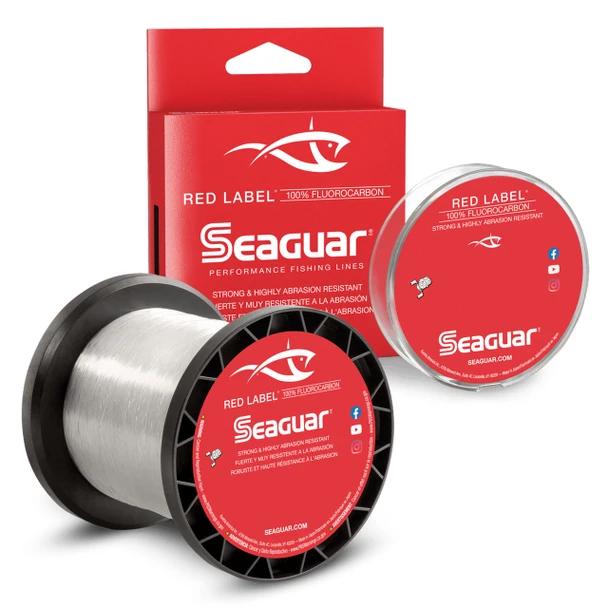
Spring Walleye Line & Leader
Braid mainline + fluorocarbon leader — the cold-water spring jigging standard


Troubleshooting
Common problems and their temp-aware fixes.
Problem
Fish are marking but won't bite
Classic cold-water problem. Slow down to half your current speed. Switch to a minnow profile or ringworm. Add scent. If water is under 44°F, try a dead-stick — set the rod down and let the jig sit for 10–15 seconds between moves.
Problem
Getting hits but not hooking up
Downsize the plastic (4" → 3") so fish get the hook on the initial bite. Check your hook point with your fingernail — it should catch immediately. Slow your hookset; let the rod load before sweeping.
Problem
Fish following but not committing
Following is hesitation. Switch presentations immediately — paddletail to minnow, or minnow to jerkbait. Add scent. Shorten your pauses or lengthen them (try both). A color change from natural to chartreuse can also trigger a reaction.
Problem
Can't maintain bottom contact
Current or wind is overtaking your jig. Go up one weight size. If you're at 1/4 oz, try 3/8 oz. Shorten your leader. If vertical jigging, use a heavier slip-sinker setup. Slow the boat drift with a drift sock.
Problem
Bites only at certain depths / temps
This is your thermocline signal. Take a temp reading at the bite depth and mark it. In spring, walleye find their comfort temp and stage there. If you're finding bites at 14 ft, fish that depth across the whole area before moving.
Problem
Cold front killed the bite
Move deeper by 20–30%. Slow down drastically. Switch to natural colors. Fish current seams and structure transitions where fish can hold without expending energy. Bites will be subtler — watch your line and rod tip, not just your hands.