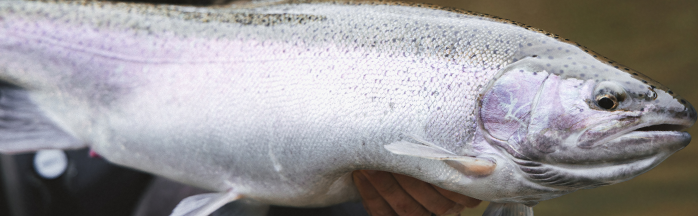
If you’ve ever spent a full morning on a Lake Erie tributary without a touch, there’s a good chance the problem wasn’t your lure, bait, or fly. The most common issue is simpler—and more frustrating: you weren’t actually fishing where steelhead were holding. That’s why reading current for steelhead on Lake Erie tributaries is such a game-changer. Steelhead don’t “fill every hole” all day, every day. They use different types of water based on flow, clarity, temperature, fishing pressure, and even the time of day. The good news is that once you understand how current behaves inch-by-inch, you can walk up to a pool, scan it for 5–10 minutes, and make an educated call: fish it thoroughly or move on fast.
