
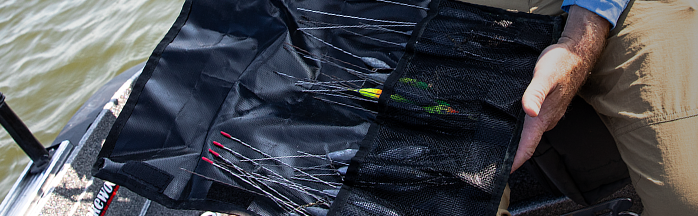
Bottom bouncer weight is the variable most harness anglers set once and never revisit — until they spend a whole pass ou
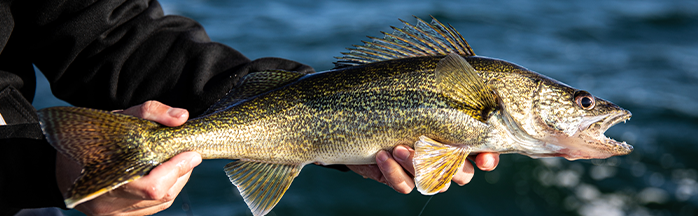
Leader length is the adjustment most harness anglers never make — and it is one of the fastest fixes for short strikes.
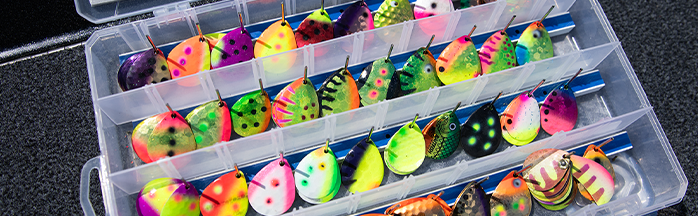
Blade selection is the step most harness anglers overthink. There are two decisions — size and color — and both follow a
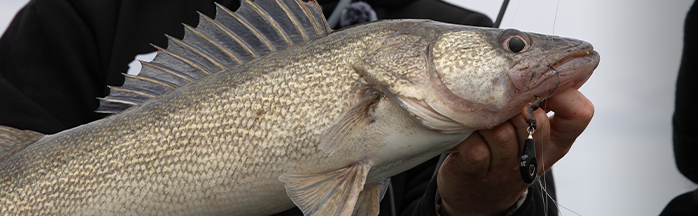
This page gives you the complete harness and bottom bouncer system — harness components or pre-tieds, bouncer weight mat
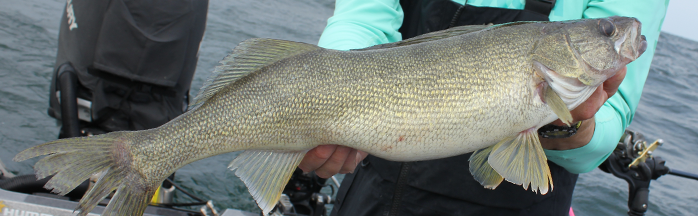
Spinner rigs outperform most presentations during the post-spawn flat bite and through summer — when walleye spread acro
Factory hooks on walleye jerkbaits are adequate out of the box — but they dull fast, and a dull point in cold water mean
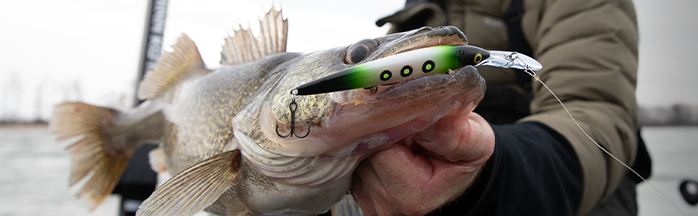
Cold-water jerkbait success comes down to a small, focused system: one or two natural-pattern baits, one or two high-con
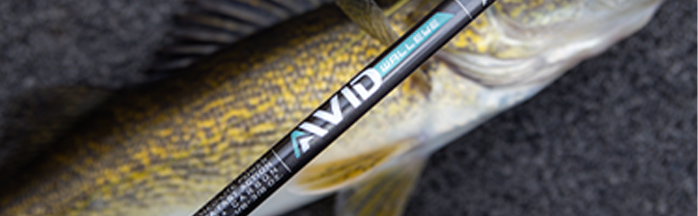
With hundreds of rods, reels, and line options available, building a walleye fishing setup doesn’t have to be overwhelmi
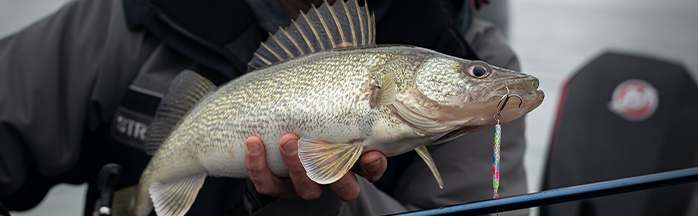
Jigging is the most versatile walleye presentation — it works from ice-out through post-spawn, covers bottom-oriented an